Gut Health

Articles exploring the connection between digestive health, the gut microbiome, and overall wellbeing, with guidance grounded in clinical nutrition research.

Yeast cells next to a capsule of probiotic yeast

Saccharomyces cerevisiae and Gut Health: What the Science Says

Saccharomyces cerevisiae is best known as the yeast behind bread, beer and wine. But one of its strains, Saccharomyces boulardii (also called S. cerevisiae var. boulardii), is used as a probiotic to support digestive health. It is one of the few probiotic yeasts with clinical evidence behind it. So what does the research actually show, […]

Saccharomyces cerevisiae and Gut Health: What the Science Says Read More »
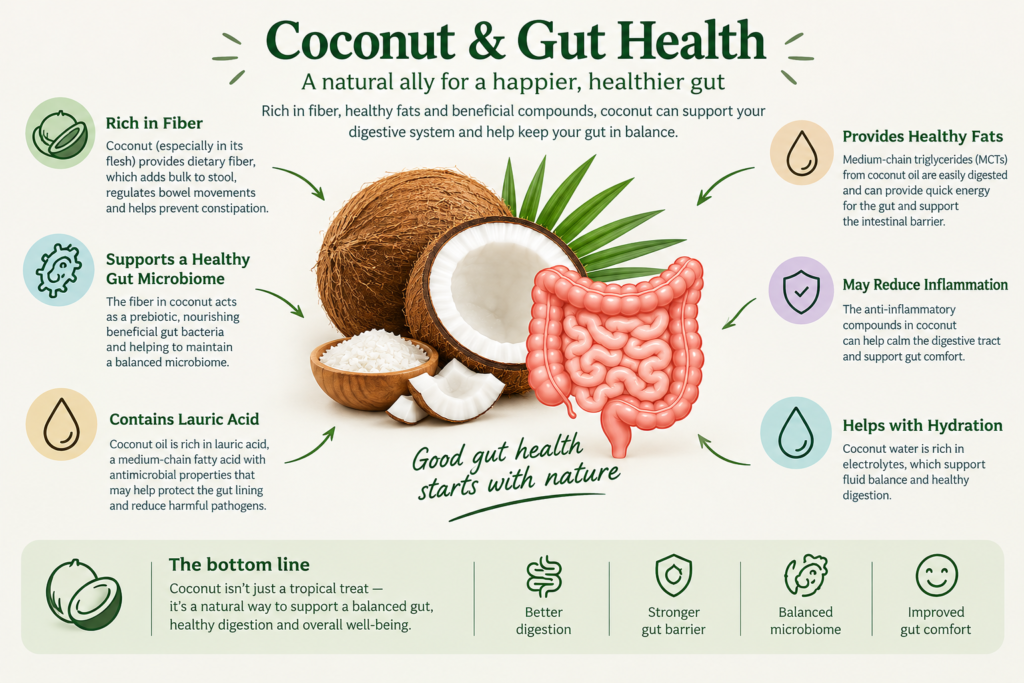
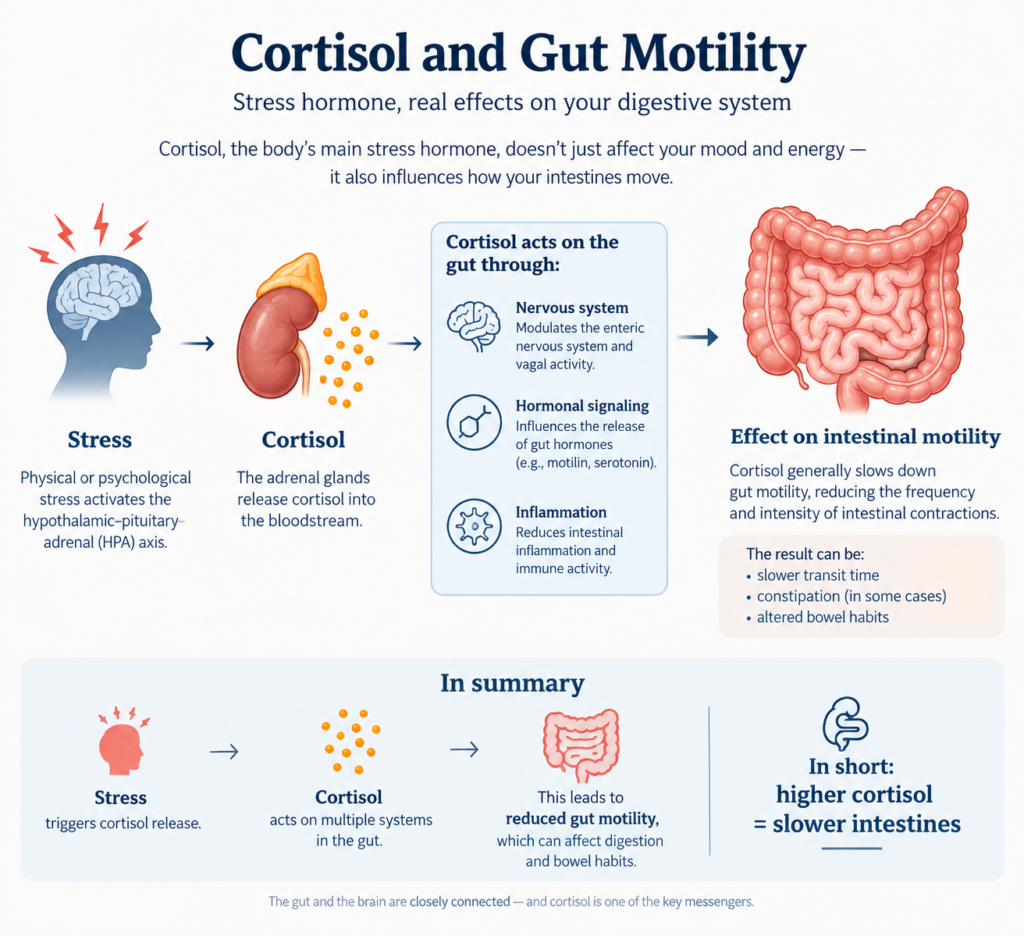
Illustration of the gut-brain axis showing how cortisol affects gut motility

Cortisol and Gut Motility: How Stress Hormones Disrupt Digestive Health

If you’ve ever felt your stomach twist before a big presentation, or noticed your digestion slow to a crawl during a stressful week, you’ve experienced firsthand what researchers call the gut-brain axis in action. At the center of that connection sits cortisol — the body’s primary stress hormone — and its influence on gut motility

Cortisol and Gut Motility: How Stress Hormones Disrupt Digestive Health Read More »

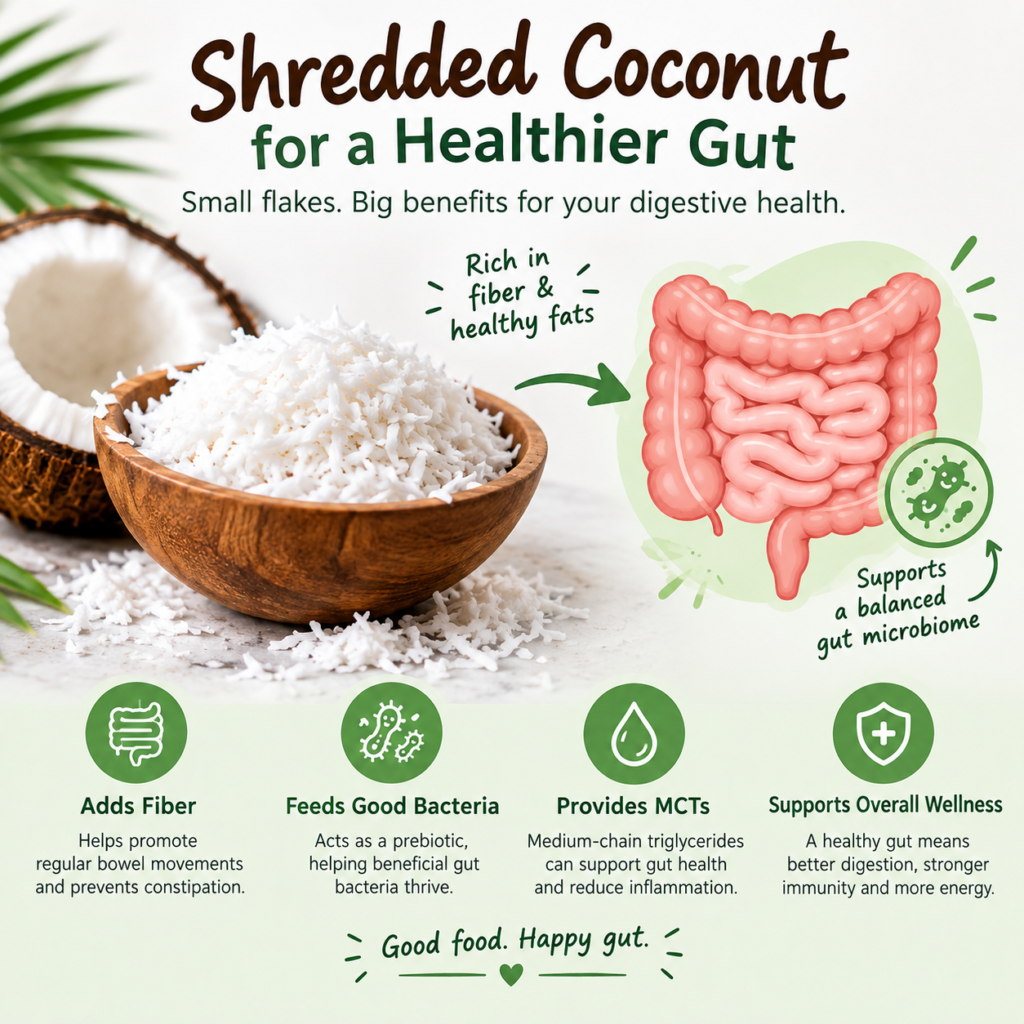
Fresh coconut halves with coconut oil, illustrating coconut's role in gut health and the microbiome

Coconut and Gut Health: What the Research Actually Shows

Coconut oil, coconut water, shredded coconut, coconut flour — few foods have been marketed as aggressively to the gut-health crowd as coconut, usually on the strength of two claims: that its “healthy fats” fight off bad bacteria, and that it soothes and heals the gut lining. Both claims have some real biochemistry behind them. Neither

Coconut and Gut Health: What the Research Actually Shows Read More »

Personalized nutrition and gut microbiome

Personalized Nutrition and the Microbiome: What Eran Segal’s Research Tells Us About Eating for Your Biology

For decades, nutrition has been built around a relatively simple idea: if a food is healthy, it should be healthy for everyone. The research of computational biologist Eran Segal, together with collaborators at the Weizmann Institute of Science, helped challenge this assumption. His work suggests that our response to food is not determined by the

Personalized Nutrition and the Microbiome: What Eran Segal’s Research Tells Us About Eating for Your Biology Read More »

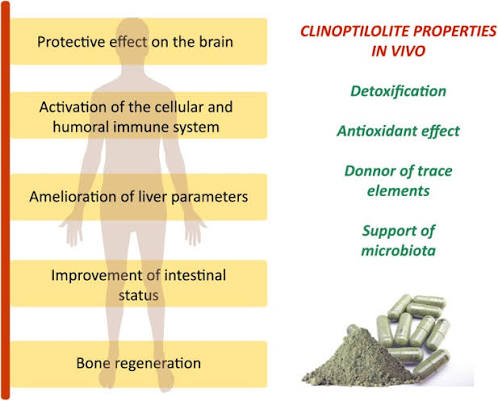
volcanic zeolite used for heavy metal binding and gut health

Zeolite, Heavy Metals, and Gut Health: What the Research Actually Shows

Heavy metal exposure is not a fringe concern. Lead in old plumbing and paint, cadmium in cigarette smoke and some foods, arsenic in groundwater and rice, mercury in certain fish — low-level exposure is part of modern life, and the gut is the first line of defense against most of it. Long before a metal

Zeolite, Heavy Metals, and Gut Health: What the Research Actually Shows Read More »

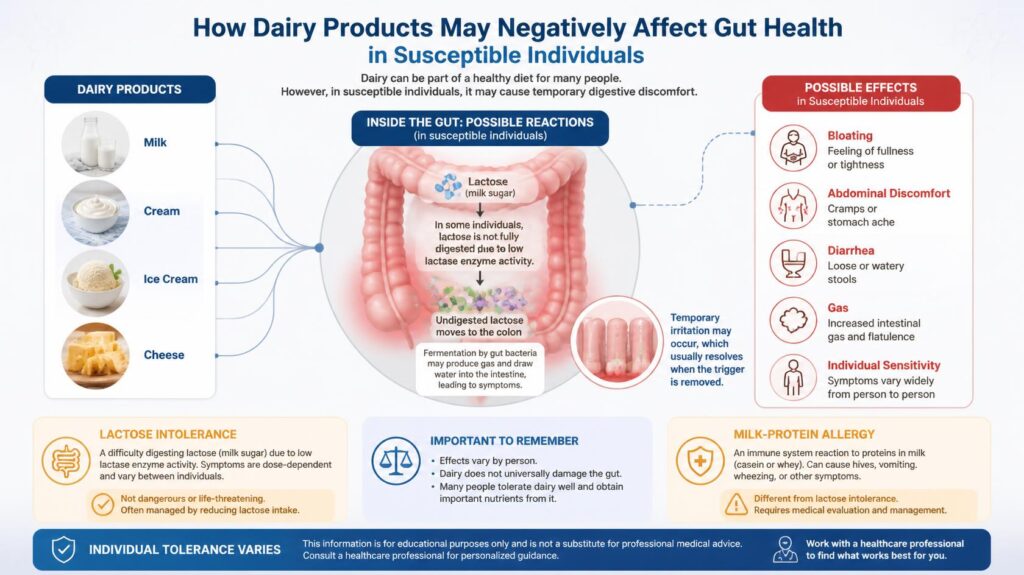
Illustration of a milk droplet with a molecular casein structure connected to the gut, representing the link between dairy, casein and gut health

Casein, Dairy, and Gut Health: What the Research Says About Obesity, Diabetes, and Metabolic Disease

Few foods divide nutrition science quite like dairy. Depending on which study you read, milk protein is either a metabolic ally — improving satiety, blood sugar control, and body composition — or a source of bioactive peptides capable of provoking gut inflammation and disrupting insulin signaling. Both pictures are supported by real research. The difference

Casein, Dairy, and Gut Health: What the Research Says About Obesity, Diabetes, and Metabolic Disease Read More »

Akkermansia muciniphila and nutrient-sensing pathways linking the gut microbiome to metabolic health

Akkermansia muciniphila and Metabolic Health: The Gut Microbiome, Obesity, Diabetes, and Intestinal Barrier Function

Akkermansia muciniphila and Metabolic Health The intestinal microbiome has emerged as an important component of metabolic physiology, linking the gastrointestinal tract with energy metabolism, immune regulation, inflammation, and glucose homeostasis. Among the microorganisms attracting increasing scientific interest, Akkermansia muciniphila has become one of the most extensively investigated bacteria in relation to obesity, insulin resistance, type

Akkermansia muciniphila and Metabolic Health: The Gut Microbiome, Obesity, Diabetes, and Intestinal Barrier Function Read More »

Illustration showing chromium mineral crystals connected to the gut and digestive tract, representing the link between chromium and gut health

Chromium and Gut Health: What This Overlooked Trace Mineral Has to Do With Your Microbiome

When most people hear the word “chromium,” they picture something you’d find in a factory, not on a supplement shelf. That association isn’t entirely wrong — but it’s also only half the story, and the confusion around it causes a lot of people to overlook a trace mineral that plays a real, measurable role in

Chromium and Gut Health: What This Overlooked Trace Mineral Has to Do With Your Microbiome Read More »

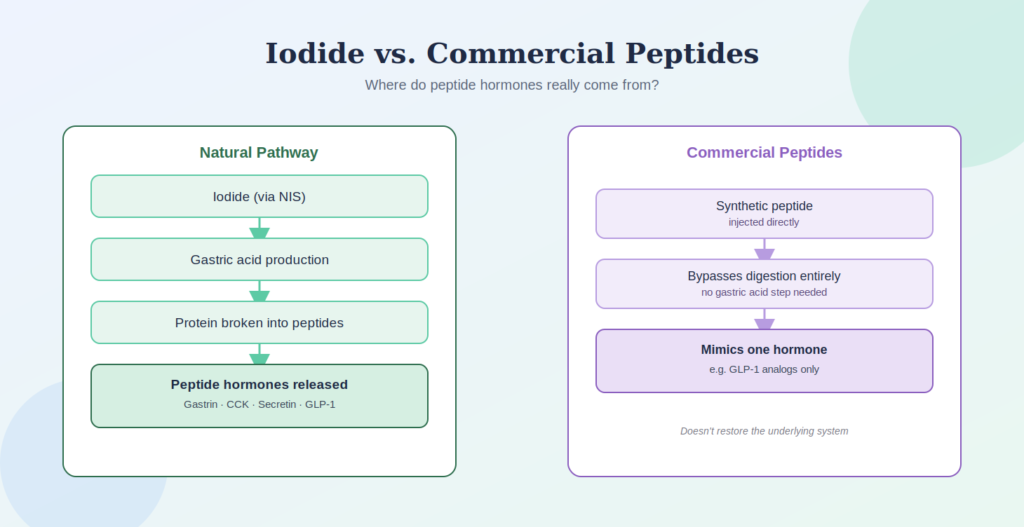
Iodine, gastric acid, protein digestion, and GLP-1 hormonal signaling

Iodine, Gastric Acid, and Peptide Hormone Synthesis: How Protein Digestion Shapes Your Hormonal Signaling

Most conversations about iodine begin and end with the thyroid. But iodine’s role in digestive physiology extends further upstream than most people realize — starting in the stomach itself, where it influences the acidic environment that makes protein digestion possible in the first place. Understanding this chain of events matters because the peptide fragments released

Iodine, Gastric Acid, and Peptide Hormone Synthesis: How Protein Digestion Shapes Your Hormonal Signaling Read More »